Qualified Electrician for Safe and Efficient Electrical Solutions
Selecting a certified electrical expert represents a important choice for residential and commercial establishments. Their expertise ensures compliance with local codes, promoting safety and efficiency in electrical infrastructure. Disregarding electrical concerns can result in major hazards, such as fires and shocks. Understanding the role of a certified electrical expert can illustrate why their services are essential. What factors should one think about when selecting the right professional for specific needs?
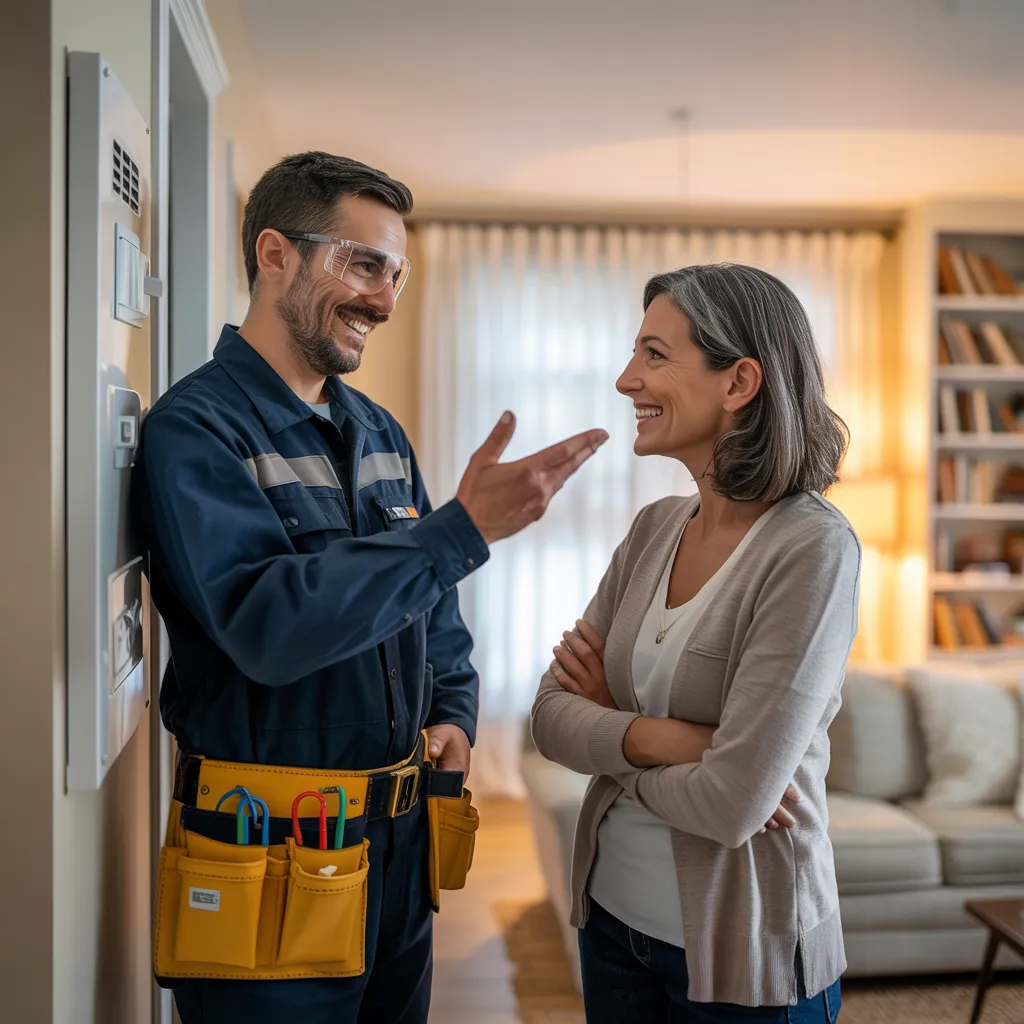
Regular Electrical Troubles You Must Not Ignore
Many householders sometimes miss typical electrical difficulties, but addressing these issues promptly is essential for optimal safety and functionality. Flickering lights often signal a loose bulb or improper wiring, which can escalate into more serious hazards. Similarly, frequent tripped circuit breakers reveal an overloaded system or potential short circuits, both demanding swift intervention. Overheating outlets can lead to fire hazards, suggesting aged wiring or incompatible devices. Homeowners should also be wary of unusual electrical smells, as they may indicate overheated insulation or other major concerns. Finally, if outlets or switches feel warm to the touch, this can signal a serious electrical fault. Detecting these problems early can stop accidents and expensive repairs, ensuring a safer living environment. By giving priority to solving these common electrical challenges, homeowners can maintain the efficiency and safety of their electrical systems.
Why Retaining a Qualified Electrician Is Important
Retaining a trained electrical expert is necessary for upholding electrical codes, which are established to protect property and lives. Their expertise not only guarantees proper installation and repairs but also stresses safety in potentially hazardous situations. By employing a licensed professional, homeowners can eliminate costly mistakes and maximize the service life of their electrical systems.
Following Power Regulations
Confirming conformance with electrical laws is important for the protection and efficiency of any electrical project. Licensed electricians have the understanding required to navigate the challenging rules that govern electrical work. These codes are intended to protect individuals and property from electrical threats, ensuring that installations are safe and reliable. Failure to comply with these codes can result in serious results, including electrical burns, equipment breakage, or expensive repairs. Furthermore, many local jurisdictions require permits for electrical work, which licensed electricians can quickly obtain. By contracting a licensed professional, homeowners and businesses can ensure that their electrical systems meet all necessary standards, ultimately fostering a safer environment and enhancing the longevity of the installation. Compliance is not just a statutory requirement; it is a critical aspect of safe electrical work.
Expertise And Safety Assurance
A licensed electrician's skill set is crucial in guaranteeing the security and dependability of electrical infrastructure. Their extensive training and knowledge equip them to diagnose and address complex electrical issues, minimizing risks linked to faulty wiring or improper installations. Certified electrical technicians adhere to strict safety protocols, significantly decreasing the probability of accidents or code violations. Additionally, they possess an understanding of local and national electrical codes, which ensures compliance and safeguards property owners from potential legal liabilities. By hiring a licensed electrician, individuals can be assured that their electrical requirements are met with precision, creating a secure environment. Ultimately, this commitment to expert services translates to peace of mind and extended cost reductions in upkeep and restoration.
What You Must Learn About Local Electrical Codes
Comprehending local electrical codes is critical for promoting safety adherence and regulatory compliance in any electrical projects. These codes not only differ by region but also institute core protective requirements that must be respected. A licensed electrician is highly knowledgeable in these standards, making their skills indispensable for any job.
Importance Of Electrical Protocols
Commitment to electrical standards serves as an essential framework for protection and performance in electrical installations. These codes, set forth by local and national regulatory bodies, guarantee that electrical infrastructure are installed and designed to reduce risks such as electrical fires, shocks, and equipment failures. Adherence to these codes encourages uniformity in building practices, facilitating inspections and maintenance. Additionally, electrical codes are regularly revised to account for advancements in technology and safety practices, making it essential for electricians to remain current. By adhering to these codes, certified electricians not only safeguard people but also enhance the durability and dependability of electrical systems. Ultimately, the significance of electrical codes is paramount, as they play a pivotal role in protecting both people and property.
Local Code Variations Detailed
While electrical codes establish a foundational rule for well-being, jurisdiction-specific differences often reflect the unique needs and states of specific communities. These jurisdiction codes may address factors such as weather type, population density, and existing systems. For instance, areas prone to severe weather may have more demanding directives for outdoor installations, while locations with historic structures might call for extra measures for renovation. Additionally, municipal bodies may implement codes to support operational savings or sustainability, harmonizing with regional goals. Understanding these changes is vital for property owners and builders, as compliance pledges not only safeguarding but also the persistence of electrical systems. Ultimately, engaging with a certified electrician versed with area codes is essential for achieving successful results.
Compliance And Safety Standards
How can homeowners guarantee their electrical installations meet safety standards? Understanding local electrical codes is crucial for confirming adherence and protection. These codes are established to safeguard both property and individuals from electrical dangers. Homeowners should speak with certified electrical professionals who are familiar with these regulations, as they differ by location and may change over time. Regular inspections can help detect potential issues before they turn into major issues. Additionally, obtaining the required authorizations before starting any electrical projects is essential, as this ensures that the installation is examined and meets all local standards. By staying informed and working with experts, homeowners can ensure their electrical systems are both secure and effective, minimizing the chance of mishaps and improving overall functionality.
Selecting the Perfect Licensed Electrical Professional for Your Work
Finding the right licensed electrician for a assignment can greatly impact its safety and find now success. Persons should start with examining electricians with valid licenses and insurance, verifying they meet local standards. Recommendations from loved ones, peers, or digital reviews can furnish understanding into a contractor's reliability and quality of work.
It's essential to assess the electrician's experience in comparable work. A specialized electrician may be more adept at handling specific tasks, such as home electrical work or commercial installations. Additionally, obtaining several estimates can assist in determining average costs and the scope of services provided.
Communication skills are also essential; effective electricians should be able to describe issues clearly and respond to any questions. Finally, checking for warranties on work performed can offer peace of mind, ensuring that any future problems will be addressed. By carefully considering these factors, individuals can choose an electrician who aligns with their project needs.
Benefits of Routine Inspections by Certified Electricians
What benefits can regular assessments by licensed electricians offer homeowners and businesses? Routine checks guarantee that electrical systems function safely and efficiently, reducing the risk of hazards such as electrical fires or equipment failures. Licensed electricians have the expertise to detect potential issues before they worsen, allowing proactive upkeep and avoiding costly fixes. Moreover, these inspections help ensure compliance with local codes and regulations, protecting against legal troubles.
Furthermore, regular evaluations can enhance energy efficiency by spotting outdated or faulty wiring and appliances, ultimately decreasing energy bills. Homeowners and businesses can also benefit from greater dependability of electrical systems, limiting downtime and disruption. By investing in routine inspections, property owners can increase the lifespan of their electrical systems, maintaining long-term performance and safety. Overall, consistent evaluations by licensed electricians deliver peace of mind, recognizing that electrical systems are in peak condition.
Grasping the Pricing Involved in Engaging an Electrician
Knowing the costs associated with bringing on an electrical professional is essential for homeowners and businesses alike, especially after grasping the weight of regular inspections. Diverse factors influence these expenditures, including the sophistication of the job, the electrician's background, and regional cost inconsistencies. Typically, electricians impose hourly rates or flat fees for designated work. Per-hour fees can range from $50 to $150, subject to the electrician's skill level and the job's time-sensitive nature.
In addition, equipment and authorizations may contribute to the total costs. For common jobs, such as installing fixtures or upgrading outlets, expenses may be foreseeable. Yet, emergency repairs or extensive rewiring can greatly increase expenses. Homeowners and businesses should also consider potential long-term savings from engaging certified contractors who guarantee compliance with safety requirements. In summary, grasping these expenses can assist with making informed decisions and budgeting effectively for electrical requirements.
Common Inquiries Asked
How Do I Validate an Electrician Licensing and Credentials?
To confirm an electrician's qualifications and licensing, one should check with the local licensing board, review state or provincial regulations, and access online databases to validate their credentials and any potential disciplinary actions.
What Credentials Ought to I Identify in a Certified Electrician?
When selecting a licensed electrician, one should look for relevant certifications, expertise with particular electrical work, knowledge of local codes, proper insurance protection, and favorable client feedback to guarantee excellence and dependability in their work.
Can I Complete Electrical Work Myself if I Have Experience?
Expertise is worthwhile, yet executing electrical work without proper licensing and permits is generally inadvisable. Local regulations often require licensed professionals for safety, compliance, and reliability, confirming that all work adheres to necessary standards.
What Protective Measures Ought I Keep in Mind During Electrical Undertakings?
During electrical projects, you should always turn off power, apply insulated tools, wear rubber-soled shoes, and confirm proper ventilation. Additionally, using personal protective equipment and complying with local codes boosts safety and decreases risks considerably.
What Can I Do to Get Ready My House In Advance of an Electrician Service Call?
Getting ready for an electrician's visit demands that homeowners remove obstacles from work areas, guarantee straightforward entry to electrical control boxes, assemble relevant documents, and raise particular problems or issues beforehand to facilitate quality service and effective dialogue.